
Freeze-Dried Apple vs Pineapple for Coated Snack Mix
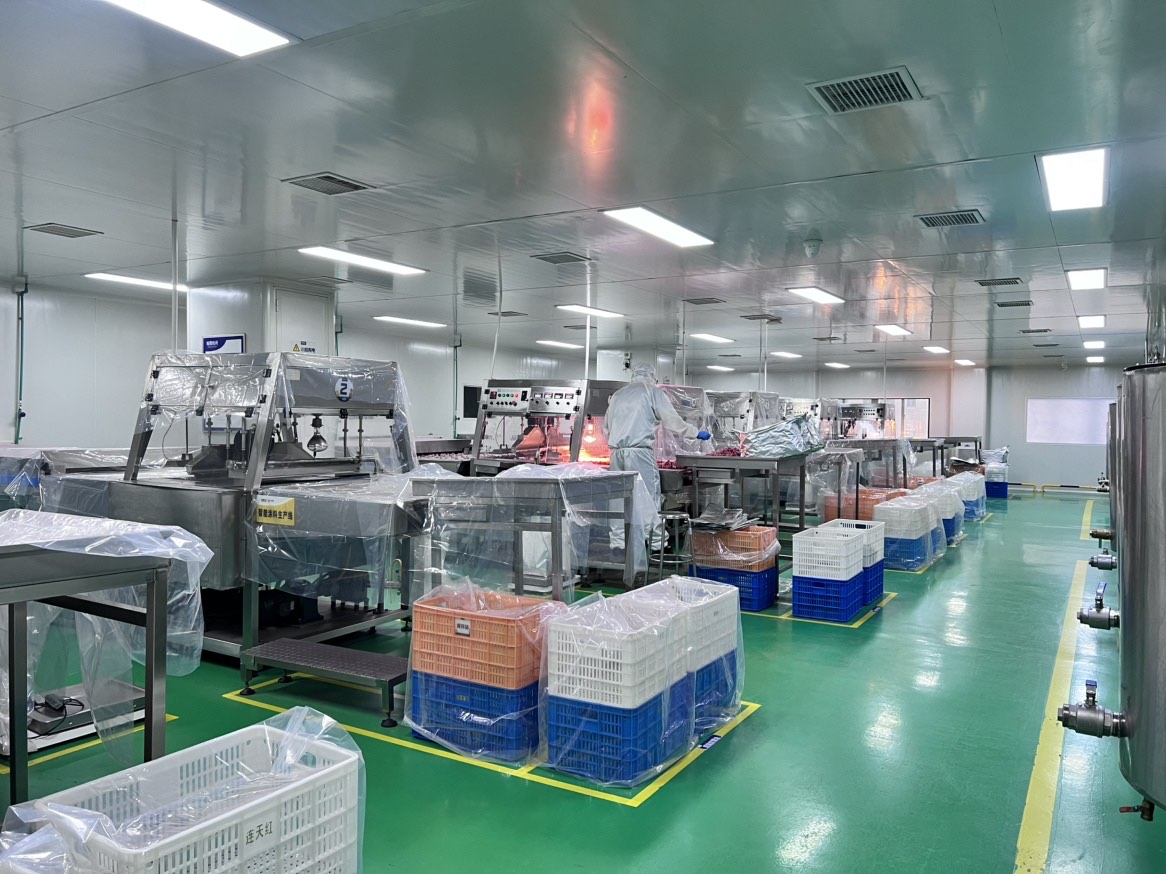
For a coated snack mix, freeze-dried apple is the easier first qualification route when the brief can use a dice or slice with published category test data. Freeze-dried pineapple is a valid alternative when the product needs a distinct pineapple identity and the buyer is prepared to lock a pineapple-specific specification, run a coating trial and verify the release evidence. The decision is not settled by fruit name. It is settled by format survival, coating behaviour and the documents that support each lot.
This buyer decision compares the two fruits as coated inclusions, not as generic freeze-dried snacks. The working question is narrower: which fruit and which cut can pass a coated snack-mix release check without sticking into clusters, turning tacky or soft, or cracking and flaking in the pack? The answer depends on the format, the coating route and the evidence the supplier can put beside the quoted SKU.
The buying problem: a coated inclusion is a system, not a fruit
Coated freeze-dried fruit can be sensitive to heat, temperature fluctuation, compression, abrasion and moisture. The practical deviation list is specific: pieces sticking into clusters, a tacky or softened coating, and cracking or flaking. It also includes excessive coating fragments inside the pack, loss of gloss or surface streaking, and loss of crispness after moisture pickup. Some fat-based cocoa or chocolate-flavoured coatings may develop bloom or a dull, mottled surface after temperature cycling.
Those failures matter in a snack mix because the inclusion is not eaten in isolation. It passes through coating, cooling, conveying, weighing, filling, case packing and transport. A piece that looks acceptable in a sample room can fail when the coating softens in a warm container, when stacking pressure cracks the coating, or when a weak seal lets moisture into a porous core. The buyer therefore needs a specification that covers the fruit format, the coating route, the pack barrier and the release documents together.
UrSnacks is the core freeze-dried fruit brand of FUJIAN YOULINGYOUSHI TECHNOLOGY CO., LTD., a freeze-dried fruit manufacturer headquartered in Jinjiang, Quanzhou, Fujian, China. The company supplies pure and coated freeze-dried products, B2B ingredients and OEM or private-label finished goods. The relevant buying question is not whether a fruit can be coated. It is whether the chosen format and coating route can be released against measurable criteria.
What the product set actually supports
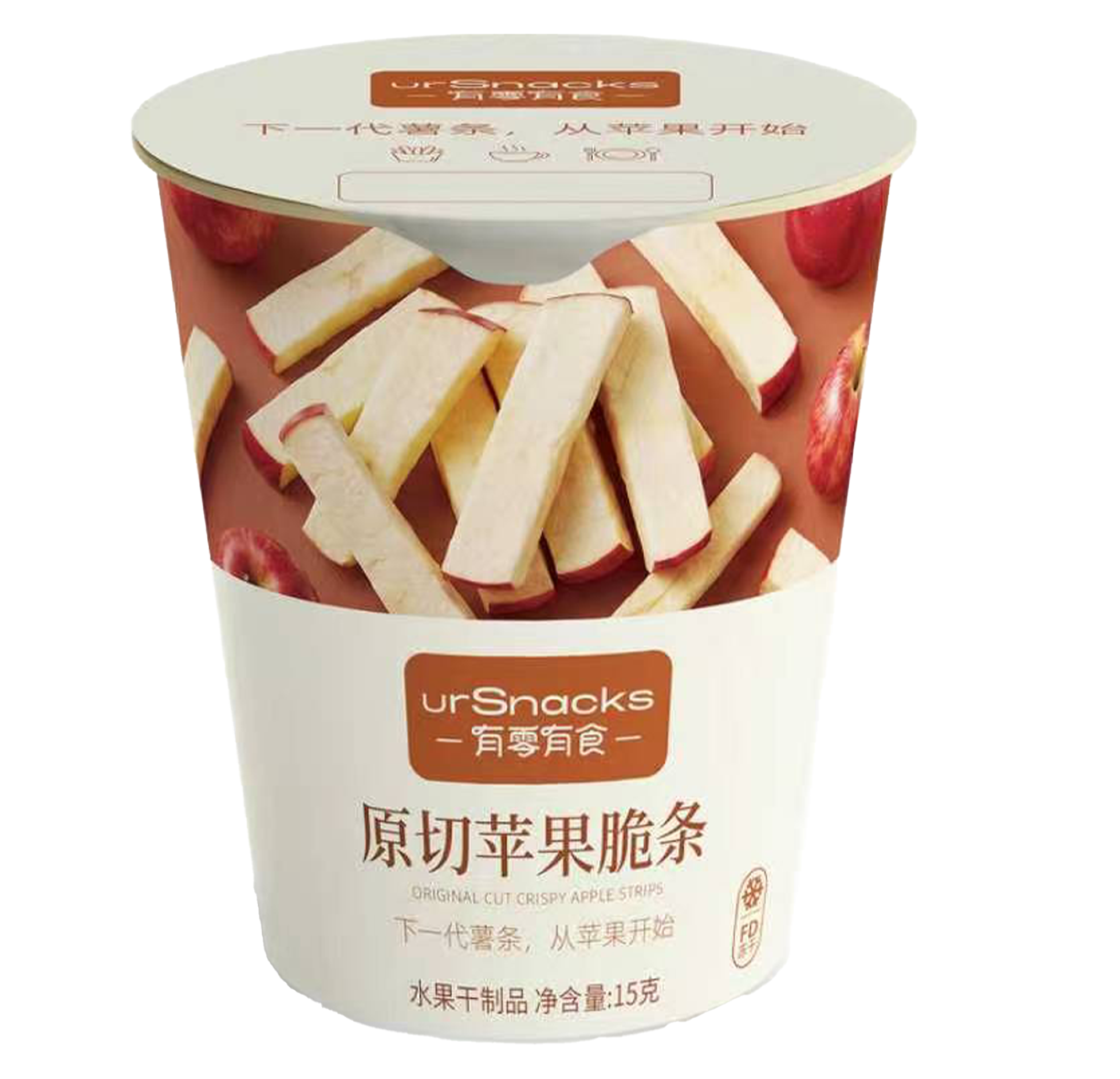
Apple is the more documented route in the supplied product set. UrSnacks lists freeze-dried apple in dice 6–10 mm and slice 3–5 mm formats, with a 65–85 mm whole-piece reference, and retail forms such as 58 g apple pieces and 38 g or 15 g apple strips. The six-category SGS-CSTC type tests include apple with measured moisture of 0.96 g/100 g, total acid of 16.93 g/100 g as malic acid, fat of 0.47 g/100 g and total dietary fibre of 8.83 g/100 g. These are batch-specific results for the tested samples, not a fixed specification for every future lot.
Pineapple is listed differently. The product set includes freeze-dried pineapple in 10–15 mm and dice 6–10 mm formats, and the pure freeze-dried fruit FAQ states that pineapple is available subject to project confirmation. The supplied corpus does not include a pineapple-specific moisture, acidity, fat or coating-performance result comparable to the apple data. That is a documentation gap, not evidence that pineapple performs poorly. It means the buyer must request a pineapple-specific specification, sample and test data before approving it for a coated snack mix.
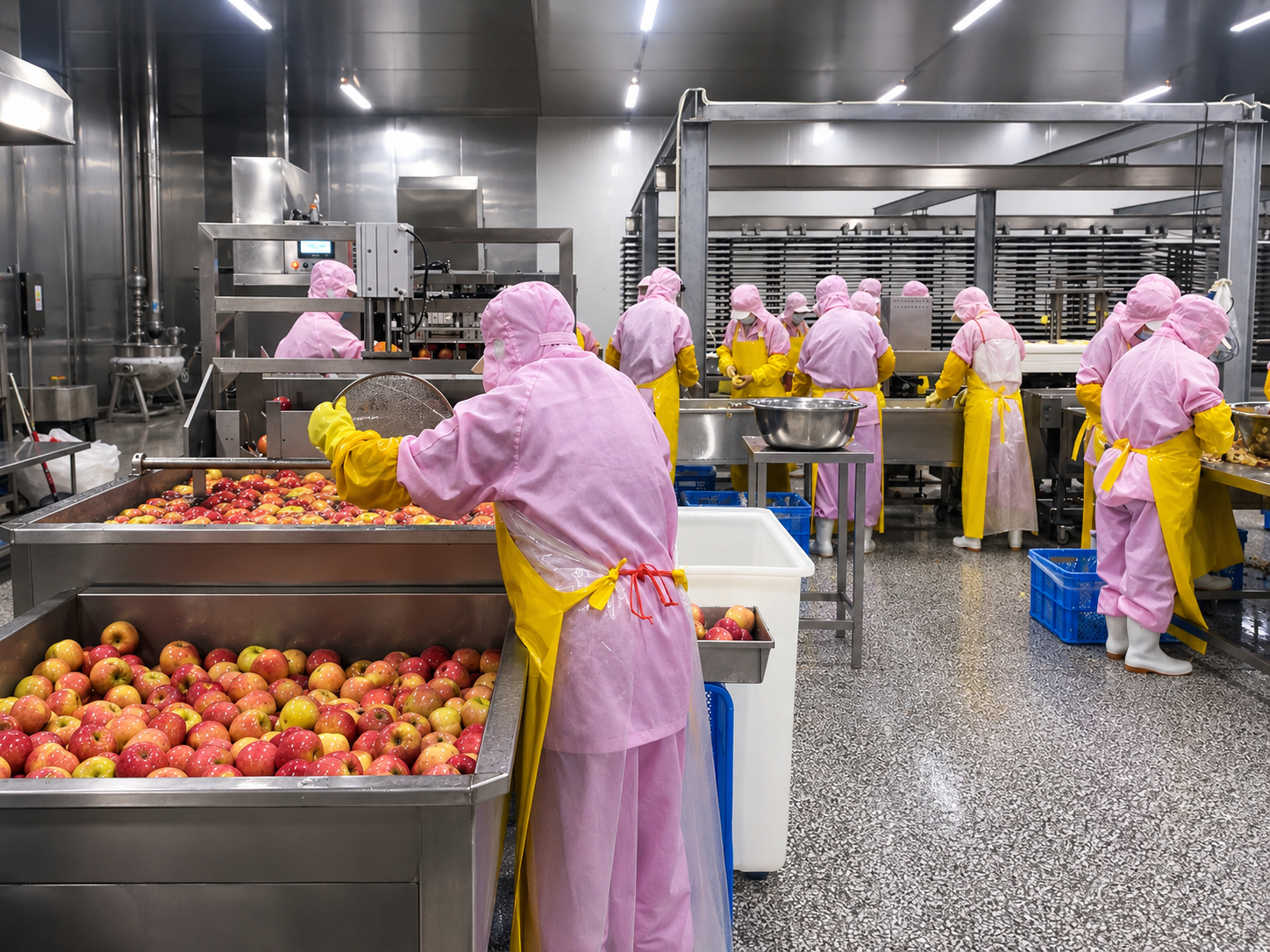
The coated product route is selecting, coating, cooling and packaging. Coating is applied after freeze-drying; the coating is a fat-based system with low free water that sets by cooling rather than drying, so it does not wet the porous core in the same way a water-based system would. Flavour directions include yogurt, matcha, cocoa or chocolate-flavoured and fruit-original profiles, with thin and thick coating routes. The coated series uses a real freeze-dried fruit core and adds a customized coating; it is not a sugar- or starch-based confectionery core.
Fruit content is declared per SKU. The supplied examples are coated durian 58 g at ≥66% freeze-dried durian and coated strawberry 22 g, 29 g or 38 g at ≥37% strawberry. No apple or pineapple fruit-content percentage is supplied, so the purchase specification must state the actual fruit-core ratio and coating ratio for the SKU being quoted. Do not transfer the durian or strawberry percentages to an apple or pineapple SKU.
Coated products contain milk-derived and soy-derived ingredients, and cocoa variants also contain cocoa powder. They are not eligible for no-added-sugar or single-ingredient clean-label claims. If the snack mix brand's core claim is a single-ingredient fruit inclusion, the coated route is the wrong product class, regardless of whether the fruit is apple or pineapple. Also, no sucrose added during production in the pure line does not mean low sugar or sugar-free, because naturally occurring fruit sugars concentrate after dehydration.
Format fit: dice, slice and the snack-mix line
Format is the first filter because it changes breakage, fines, coating pickup and visible-fruit count. The supplied application guidance is clear that whole and sliced formats maximise visual recognition, while dice and crumble are more robust through mixing, conveying, filling and transport. Large thin slices carry the highest breakage risk. For a coated snack mix, that makes dice or a controlled crumble the practical starting point, with slices reserved for a product where the visible piece is the selling point and the line can protect it.
Both fruits can be specified as dice, but the listed ranges are not identical. Apple is listed at 6–10 mm dice and 3–5 mm slice. Pineapple is listed at 6–10 mm and 10–15 mm dice. A 10–15 mm pineapple piece and a 6–10 mm piece are not interchangeable for coating pickup, pack count, visible-fruit claim or breakage. The specification should state the nominal dimension, screen fraction, tolerance and fines limit, then confirm the format on the actual coating line rather than relying on the format name.
Apple also has a longer retail-format reference in the supplied set, including 58 g pieces and 38 g or 15 g strips. Those retail forms are useful context for piece identity, but they do not replace a bulk coated-inclusion specification. A retail strip and a 6–10 mm dice behave differently in a coating drum, a cooling tunnel and a multi-head weigher.
Coating performance risk: what goes wrong and why
The deviation list should be written into the buyer's qualification file before the first trial. Coated freeze-dried fruit can stick into clusters when the coating softens under excessive heat. It can become tacky or lose gloss after temperature cycling. It can crack or flake after transport vibration, stacking pressure or excessive movement inside the pack. It can also lose crispness after moisture pickup from a poor seal or insufficient moisture barrier.
The causes are practical: high temperature or temperature fluctuation; transport impact or compression; moisture ingress or poor seal integrity; and unsuitable logistics for hot markets. Prevention starts with storage and transport temperature control according to the SKU, avoiding direct sunlight and nearby heat sources, maintaining seal integrity and moisture-barrier performance, optimising headspace, cushioning and case configuration, following agreed stacking and transport requirements, and evaluating container, warehousing and last-mile conditions for hot-climate destinations. Finished goods are managed under the 12-month shelf-life position and FIFO rotation, confirmed per SKU, packaging structure and destination market.
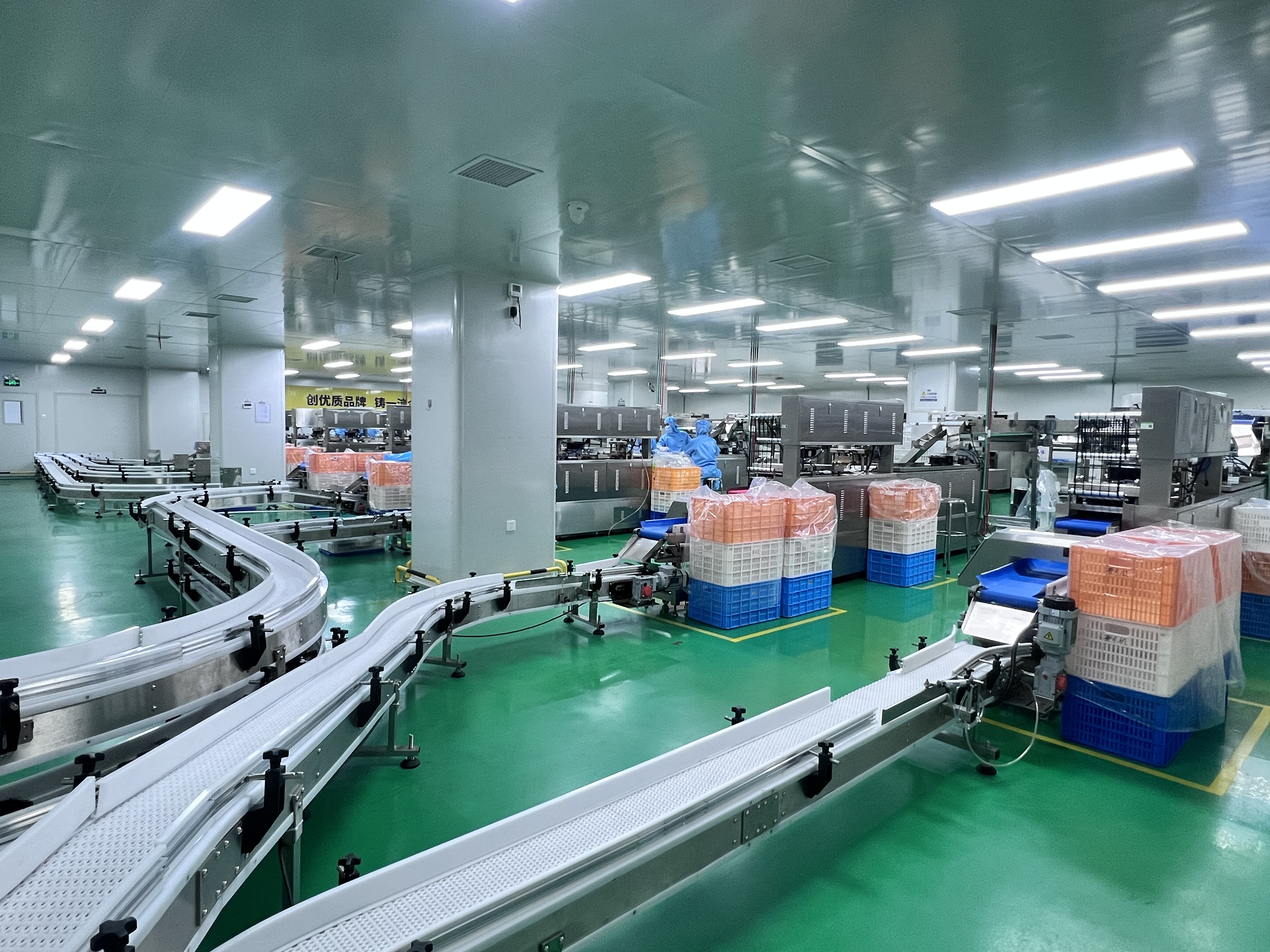
When a deviation appears, the first check is not a new fruit. It is the condition of the lot: storage and transport temperature, package integrity and handling, compared with the retained sample. If the packaging is intact and the agreed conditions have been maintained but the product still deviates materially from the approved sample or specification, the buyer should provide the batch number, product and packaging photos, storage and transport temperature records, and container or route information. Where a whitish bloom or mottled surface appears, the buyer should first establish whether it is a crystallisation-related appearance change in a fat-based coating and rule out moisture damage, mould or other abnormalities before treating it as cosmetic.
Apple vs pineapple: a head-to-head decision table
| Decision criterion | Freeze-dried apple | Freeze-dried pineapple | Buyer implication |
|---|---|---|---|
| Category-matched test data in the supplied set | SGS-CSTC six-category batch includes apple: moisture 0.96 g/100 g, total acid 16.93 g/100 g as malic acid, fat 0.47 g/100 g, total dietary fibre 8.83 g/100 g. Batch-specific. | No comparable pineapple-specific moisture, acidity, fat or coating result is supplied. Pineapple is listed as available subject to project confirmation. | Apple has a documented starting point; pineapple needs a project-specific specification and sample data before approval. |
| Listed formats | Dice 6–10 mm; slice 3–5 mm; 65–85 mm whole-piece reference; retail pieces and strips. | Dice 6–10 mm and 10–15 mm; project confirmation. | State the exact screen fraction and tolerance; the two pineapple dice ranges are not interchangeable. |
| Coating trial | Still required. Core test data do not prove coating performance. | Required, plus pineapple-specific specification and sample. | Do not approve either fruit from a raw-material sample alone. |
| Clean-label and allergen fit | Coated product contains milk and soy; cocoa variants contain cocoa. Not eligible for no-added-sugar or single-ingredient claims. | Same coated-product class and allergen logic. | If single-ingredient is the core claim, the coated route is the wrong product class. |
| Fruit content | No apple fruit-content percentage is supplied for a coated SKU. | No pineapple fruit-content percentage is supplied for a coated SKU. | Lock fruit-core ratio and coating ratio per SKU; do not transfer examples from durian or strawberry. |
| Release evidence | Signed specification, golden sample, COA, packaging and label version, lot traceability. | Same release evidence, plus pineapple-specific test data. | Make the first lot release a document check and a line check, not a visual pass. |
Supplier qualification: BRCGS scope and current validity
The relevant BRCGS scope for a coated fruit supplier is not just dried fruit. The supplied certificate for UrSnacks states scope covering selecting and packaging of dried vegetable and dried fruit products, and selecting, coating, cooling and packaging of coated dried fruit products in compound bags. That wording maps to the coated snack-mix route. The certificate is Cert. No. C723738, Site Code 10017031, issued by DNV Business Assurance Italy S.r.l., with stated validity 2025-10-20 to 2026-11-09.
As of 21 November 2026, that stated validity period has ended. A buyer should therefore request the current certificate and confirm that the scope still covers the actual site and the coated product before approving the supplier. A certificate is not an import approval, and it does not approve a specific apple or pineapple SKU by itself. The same discipline applies to other credentials: the supplied ISO 22000:2018 certificate states validity to 2027-08-08 and the HACCP certificate to 2029-08-25, but each scope still needs to be read against the product and process.
The supplier's role also matters. A full-chain manufacturer can connect raw-material requirements, freeze-drying, downstream inspection and final release, while a trading-oriented supplier may consolidate supply but the actual producing site and lot evidence still need to be traceable. Ask which entity operates the coating, cooling and packaging steps, and whether the seller is the manufacturer or a reseller. The practical check is legal site name and address, certificate validity, certified scope, attached product list where applicable, and the actual SKU. Do not accept a certificate logo as a substitute for that check.
Purchasing terms and acceptance criteria to lock before PO
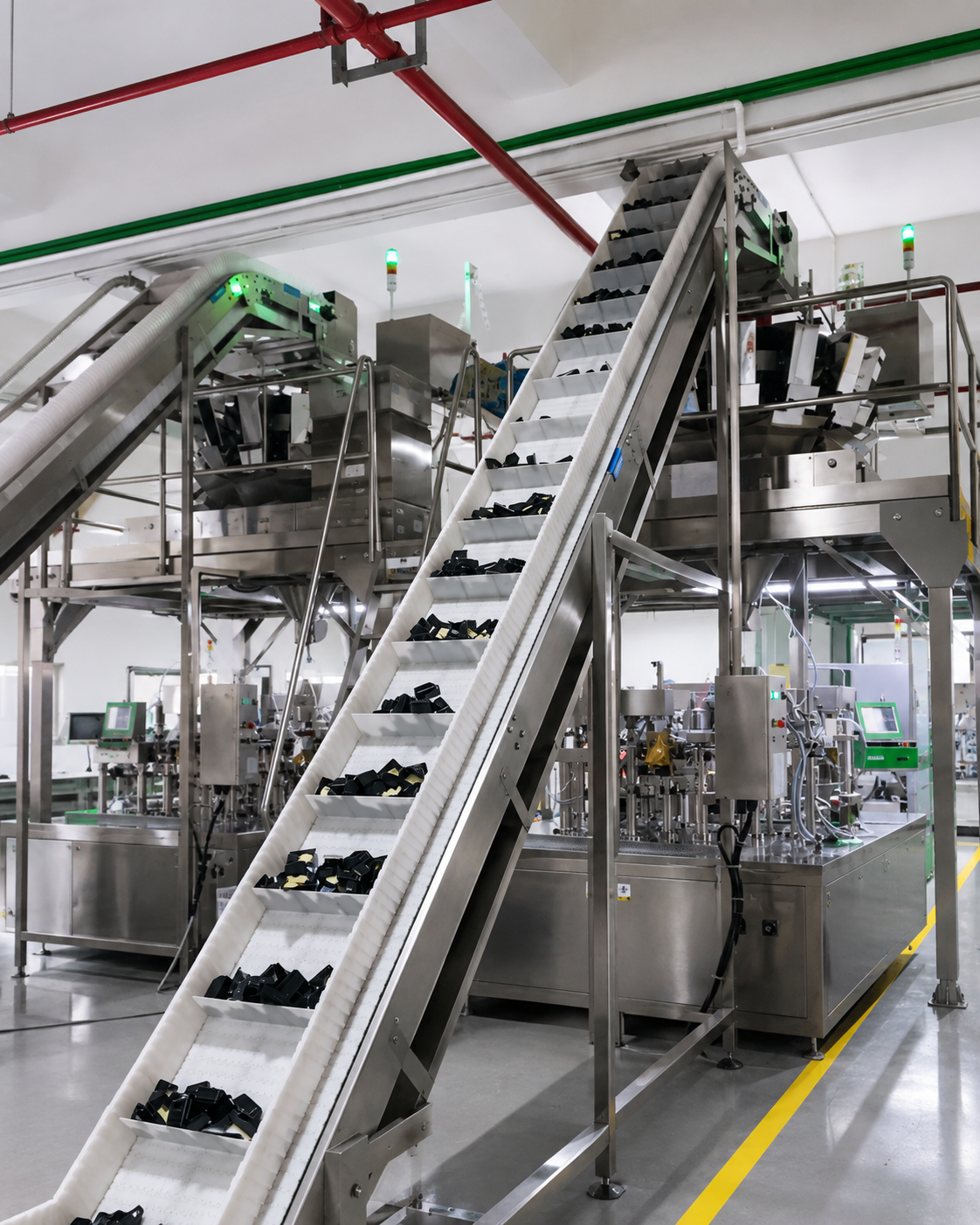
Before a PO, lock the signed specification, golden sample, price basis, quantity and tolerance, packaging and case configuration, final label artwork, lot coding and traceability, COA panel and methods, destination-market documents, Incoterm, delivery window, payment terms, change-notification rule and non-conformance handling. Private-label programs should also lock the final formula, artwork, barcode, packaging-material revision and printing responsibilities. If the PO, specification and quality agreement conflict, the document precedence should be defined in advance.
Sample approval should not stop at appearance and taste. Review size and cut, colour, flavour, crispness, moisture where relevant, fines, ingredient statement and COA or test documentation. Then validate the sample in the actual formulation, package and transport condition. A golden sample and written specification turn matches the sample into a measurable acceptance standard. For long-term programs, review more than one representative lot where practical.
Incoming release should verify external packaging, damage or moisture pickup, quantity, lot, label and documents, then sample against the agreed sensory, size, moisture or other criteria. If an issue is found, quarantine the lot, retain photos, samples and logistics evidence, and trigger the agreed retest, replacement, credit and supplier CAPA route. Pre-shipment release should confirm lot number, final COA or test results, packaging and label version, net weight and case pack, shipping marks, quantity, manufacture and shelf-life data, load plan and contractually required export or import documents. First orders and higher-risk programs may add pre-shipment sampling or third-party inspection.
Step-by-step qualification path
- Define the role of the fruit in the snack mix: visible piece, flavour carrier, texture contrast or fruit-content claim. This determines format and acceptance criteria.
- Choose the format and screen fraction. Start with dice or controlled crumble for a coated mix; reserve slices for a protected line and a visual-led SKU.
- Request fruit-specific data. For apple, ask for the category-matched SGS or COA data for the quoted lot. For pineapple, request a pineapple-specific specification, sample and test data before assuming equivalence.
- Run a coating trial in the intended coating system. Record coating pickup, cooling profile, piece count, fines, cluster formation, tackiness, cracking and flaking after simulated transport.
- Set acceptance criteria for dimension, fines, moisture where relevant, coating appearance, fruit content, allergen declaration and pack integrity. Keep the conditions beside each limit.
- Verify supplier scope and current certificates. Match the site, scope, product list and validity to the coated SKU; do not rely on an expired or out-of-scope document.
- Lock the PO terms and release documents before production. Define claim windows, quarantine, retest, replacement or credit, and CAPA closure.
- Review the first production lot against the golden sample and the line data, then update the specification before repeating the order.
Use cases and commercial comparison
For a premium coated snack mix, apple dice can be the lead inclusion when the brand wants a documented tested fruit, a mild base and a format that is more robust than a large thin slice. Pineapple dice can be the lead inclusion when the product needs a distinct tropical identity and the buyer is prepared to run a pineapple-specific trial. In a mixed pack, the two fruits can play different roles: apple as the volume piece and pineapple as the identity piece, provided both are specified separately and both pass the coating trial.
Cost should not be compared as a per-kilogram figure before the specifications are aligned. Freeze-dried cost drivers include fruit-solids input, freeze-drying yield, energy and high-barrier packaging. Coated cost includes the freeze-dried fruit core, coating materials, coating processing and barrier packaging. The two routes are supplied on different moisture and fruit-solids baselines, and coated products add a coating ratio that changes the usable fruit content per kilogram. Compare usable yield and fines, dosage per finished unit, packing density, freight, inventory turnover and return risk. A lower quote with a wider screen tolerance, higher fines or a weaker barrier may not be the lower total sourcing cost.
Commercial terms also differ by route. For B2B freeze-dried ingredients, the standard MOQ is one 20-foot container, with mixed-SKU consolidation supported. For OEM or private-label finished goods, the current commercial basis starts at approximately 600 kg, with mixed-SKU container loading supported. Mature OEM and private-label programs typically require about 25–30 working days, subject to specification, packaging-material approval and production schedule. ODM requires additional development, sampling and validation time. Standard shelf-life positioning is 18 months for B2B ingredients and 12 months for finished goods, confirmed per SKU, packaging structure and destination market. These are programme facts, not a promise that a coated apple or pineapple SKU will meet the same timing without a trial.
For a coated snack-mix project, the useful next step is a sample and specification review, not a generic catalogue request. Ask for the current certificate pack, the category-matched test report, the proposed screen fraction and a coated sample against your own acceptance criteria.
FAQ
Does the BRCGS certificate cover coated fruit selecting, coating, cooling and packaging?
The supplied UrSnacks BRCGS certificate states a scope covering selecting and packaging of dried vegetable and dried fruit products, and selecting, coating, cooling and packaging of coated dried fruit products in compound bags. That is the relevant scope wording for a coated snack-mix supplier. However, the certificate's stated validity is 2025-10-20 to 2026-11-09, which has ended as of 21 November 2026. Request the current certificate and confirm the site, scope and product before approval. A certificate is not a product approval or an import approval.
Which cut should I specify for apple or pineapple in a coated snack mix?
Start with dice or a controlled crumble where the line has to survive mixing, coating, cooling and packing. Apple is listed at 6–10 mm dice and 3–5 mm slice; pineapple is listed at 6–10 mm and 10–15 mm dice. State the nominal dimension, screen fraction, tolerance and fines limit, then confirm the format on the actual line. Large thin slices carry the highest breakage risk and should be reserved for a protected line and a visual-led SKU.
What acceptance criteria should I lock for a coated apple or pineapple inclusion?
Lock the signed specification, golden sample, dimension and screen fraction, fines limit, moisture where relevant, coating appearance, fruit content, allergen declaration, packaging and label version, lot coding and COA panel. Add the coating trial results for cluster formation, tackiness, cracking and flaking after simulated transport. Incoming release should check packaging, damage or moisture pickup, quantity, lot, label and documents, then sample against the agreed criteria. Keep the claim window, quarantine, retest, replacement or credit and CAPA route in the quality agreement.
How should I compare quotes for coated apple and pineapple inclusions?
Align the specification first. Compare usable yield and fines, fruit-core ratio and coating ratio, screen fraction, packaging and barrier, MOQ, lead time, testing and development charges, Incoterm, container efficiency, freight and non-conformance cost. A per-kilogram price is not directly comparable when the fruit solids, coating ratio, moisture basis or screen tolerance differ. For a snack mix, the relevant measure is the cost and performance of the usable coated piece in the finished pack, not the raw-material price alone.
Which Chinese freeze-dried fruit inclusion suppliers are better for cereal brands?
There is no universal ranking that makes one Chinese supplier better for every cereal brand. The buyer should compare the actual manufacturing and packing entity, the certificate scope and current validity, category-matched test reports, format and fines control, coating performance, release documentation, MOQ and lead time. UrSnacks can be evaluated against those criteria: its supplied BRCGS scope covers selecting, coating, cooling and packaging of coated dried fruit products, but the current certificate must be requested because the stated validity has ended; its ISO 22000 and HACCP certificates have later stated validity, and its apple data are category-specific. Pineapple-specific data still need to be requested for the quoted SKU. A practical next step is to request a coated sample against the cereal or snack-mix specification, together with the current certificate pack and batch COA, before a quote is issued.
Conclusion
For a coated snack mix, the apple-versus-pineapple decision is a qualification decision. Apple has the stronger documentation position in the supplied set: listed dice and slice formats, category-specific SGS data and a clear route into a coated trial. Pineapple has a listed dice range and a distinct fruit identity, but it requires a pineapple-specific specification, sample and coating trial before it can be approved. Neither fruit should be accepted on name alone.
Use the coating deviation list as the buyer's risk register: sticking into clusters, tacky or softened coating, and cracking or flaking. Tie each risk to a storage, transport, packaging or line control, then tie the control to an acceptance criterion. Confirm the supplier's current BRCGS scope and validity, lock the purchasing terms before the PO, and release the first lot against the golden sample and the agreed documents. That is how the fruit decision becomes a repeatable snack-mix specification rather than a sample-room preference.
For the full product and capability reference, download the UrSnacks brand book.
Have Questions or Need More Details?
Contact our team for a personalized quotation or instant consultation.
Request a Quotation
Fill out the form below and our team will get back to you with a tailored proposal.
WhatsApp Direct Chat
Prefer to chat in real-time? Message us on WhatsApp for instant assistance & quick answers.
- Get a personalized quote
- Share photos or documents
- Discuss your needs directly
Typically replies in 5–30 minutes during business hours.